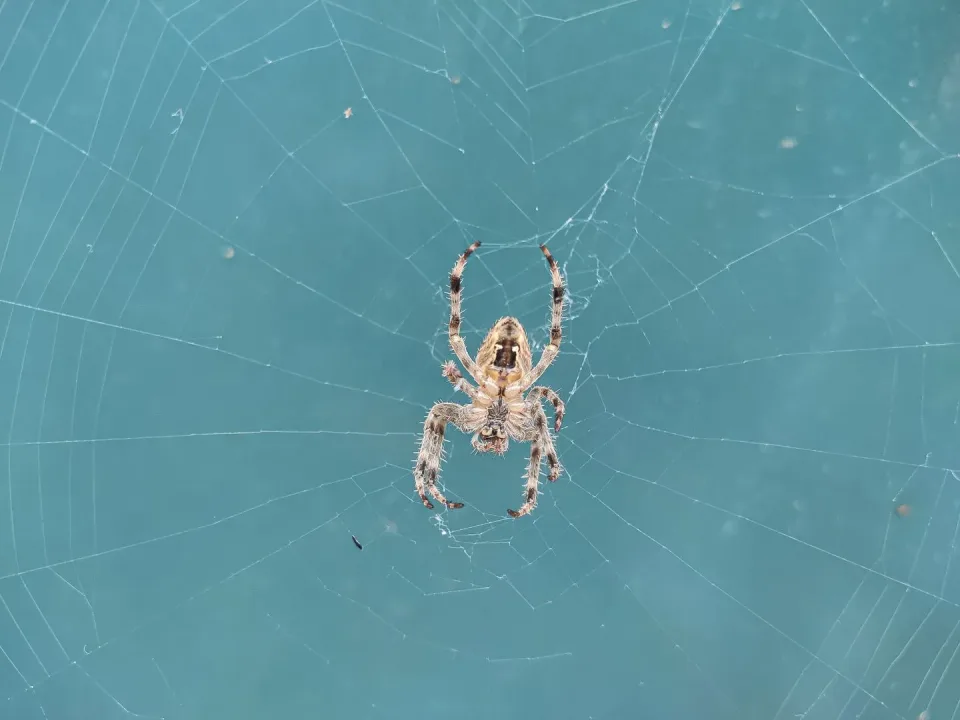
Why Do Ants Keep Crossing Connecticut Kitchen Counters?
Ants trail across kitchen counters because foragers have found food or water and leave a scent route for other ants to follow. Wiping away the visible line helps, but activity often returns if crumbs, sticky residue, moisture, or the trail’s entry point remains. Spring rain can push ants and rodents indoors, so check window edges, plumbing penetrations, and gaps where counters meet walls after wet weather.
Coastal Connecticut often has milder winters than inland areas, but indoor warmth and available food can still make kitchens attractive. Near the Connecticut State Capitol in Hartford, the same practical first step applies: clean the route, then watch where ants reappear. We inspect the trail and its source before recommending treatment.
What does a counter trail tell you?
A steady line usually marks a route between a food or water source and an access point; it does not, by itself, show where the colony is. Follow the ants without disturbing them for a few minutes.
They may disappear behind a backsplash, into a cabinet seam, or around a pipe. At homes near Connecticut’s Beardsley Zoo in Bridgeport, we use that same observation-first approach rather than treating the visible counter as the whole problem.
Small spills matter. A single sweet drip or pet-food crumb can keep a route active after the rest of the kitchen looks clean.
Could East Rock weather shift ant activity indoors?
Rain and changing conditions can alter pest activity, but do not assume every indoor trail has the same cause. Around East Rock Park in New Haven, outdoor surroundings are a useful reminder to check what borders the house: vegetation, damp areas, and openings near the foundation may influence where insects travel.
Hurricanes and tropical remnants can cause flooding and storm damage; afterward, inspect the kitchen and nearby utility areas for dampness or newly exposed gaps. If a trail appears after a storm, note its location and timing instead of spraying the ants immediately. That record gives an inspection a useful starting point.
When should you try DIY before calling a pro?
For a short-lived trail with an obvious spill, clean the surface with soap and water, seal food, empty crumbs from toaster trays, and dry the sink area. Then monitor the route.
If ants keep returning, spread into multiple rooms, or vanish into a wall or cabinet, stop guessing and request an inspection. Heating season can reveal gaps used by mice, so a new opening near a pipe may warrant checking for more than one pest; do not seal an active route until its use is understood.
Our ant control service starts with pest identification and a search for entry points and harborage before we select a treatment.
What makes repeated trails hard to solve?
The common failure is treating the countertop while leaving the food source or route untouched. Broad, untargeted spraying can also interfere with bait use, so tell the technician about products you have already applied.
Cove Island Park in Stamford offers a local reminder that outdoor conditions change through the year; inside, the useful question is whether the trail follows a stable path to a crack, appliance, or food residue. We inspect the active route, discuss sanitation and exclusion steps, and explain whether targeted treatment makes sense.
For a broader look at how we approach household pest problems, visit Connecticut Pest Solutions.
How do storms affect the inspection plan?
After heavy storm damage, an inspection should account for wet materials, moved debris, and openings around utility lines, not just ants on the counter. At the Essex Steam Train, visitors can see how historic structures require attention to their specific construction; older homes likewise need a careful look at seams and materials before anyone recommends a fix.
Leaf litter in autumn provides shelter for ticks and rodents, so keep it from accumulating against the foundation and tell us if it borders the kitchen wall. The Connecticut Pest Solutions Blog has related homeowner guidance, while our visit focuses on the conditions we find at your property.
Which Ant Trail Treatment Fits a Kitchen Problem?
The right choice depends on whether ants are a brief, traceable nuisance or a continuing route that needs inspection and follow-up.
| Option | Best for | Key detail |
|---|---|---|
| One-time pest treatment | A limited, identified ant issue | Useful for an isolated problem; ask what follow-up is included. |
| Recurring general pest control | Repeated activity needing monitoring | One-time service addresses an isolated issue; recurring service adds continued monitoring. |
| Interior pest treatment | Ants active inside the kitchen | Targets an active infestation; treatment should be placed with care around food areas. |
| Exterior perimeter treatment | Reducing likely outdoor access | Preventive measure; coastal salt air can accelerate corrosion of exterior equipment, so ask how equipment is checked. |
| Integrated Pest Management | Finding causes and reducing repeat activity | Combines inspection, monitoring, sanitation, and suitable treatment rather than relying on spray alone. |
In older properties such as the Lockwood-Mathews Mansion Museum in Norwalk, construction details remind us why a route needs inspection rather than assumptions.
How Do You Prepare for Ant Treatment?
If ants are crossing the counter each morning, take a photo and note where they disappear before cleaning the route. That small record can help us distinguish a repeat trail from scattered foragers. At homes near PeoplesBank Arena in Hartford, timing and access matter just as they do elsewhere: tell us about the activity and arrange access to the affected kitchen area.
-
Schedule an inspection: Describe when ants appear, where the trail starts, and whether you have used a product.
-
Prepare the kitchen: Secure food and clear the counter; move cabinet contents only if interior treatment is requested.
-
Protect the household: Secure pets and keep children away from any treatment area.
-
Show the route: Point out sightings and possible gaps, including spaces beneath the sink.
-
Follow instructions: Do not disturb bait or treated areas, and follow product-label reentry directions.
-
Check and report: Note new activity and ask whether follow-up is appropriate.
Cool autumn weather can push stink bugs indoors, so mention other insect activity rather than assuming every sighting is an ant. If you commute through South Norwalk station or travel from Groton’s Submarine Force Museum area, schedule around the access you can provide; ask what areas the technician needs to inspect.
Ready to Stop Ant Trails in Your Connecticut Kitchen?
A returning trail is a reason to find the route and the attractant, not just wipe the counter again. Clean food residue, keep ingredients sealed, and note where the ants enter; if activity persists, an inspection can clarify what to address.
Near Bushnell Park in Hartford, as in homes across the state, cold winters can freeze pipes and reduce access for outdoor treatment, making indoor observations especially useful when planning service. High indoor humidity can also encourage silverfish and cockroaches, so report other signs you have noticed.
Our crew explains the findings and practical next steps. Contact Connecticut Pest Solutions at (877) 729-2528 to discuss a kitchen ant issue, or review our ant control service.