Where Should You Look for Cockroaches After Dark in Hartford?
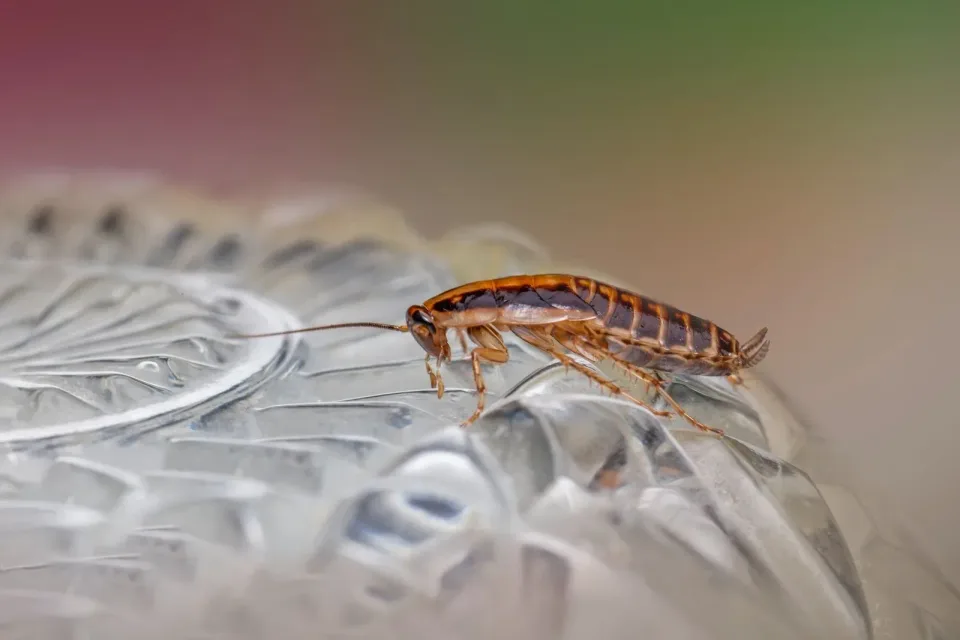
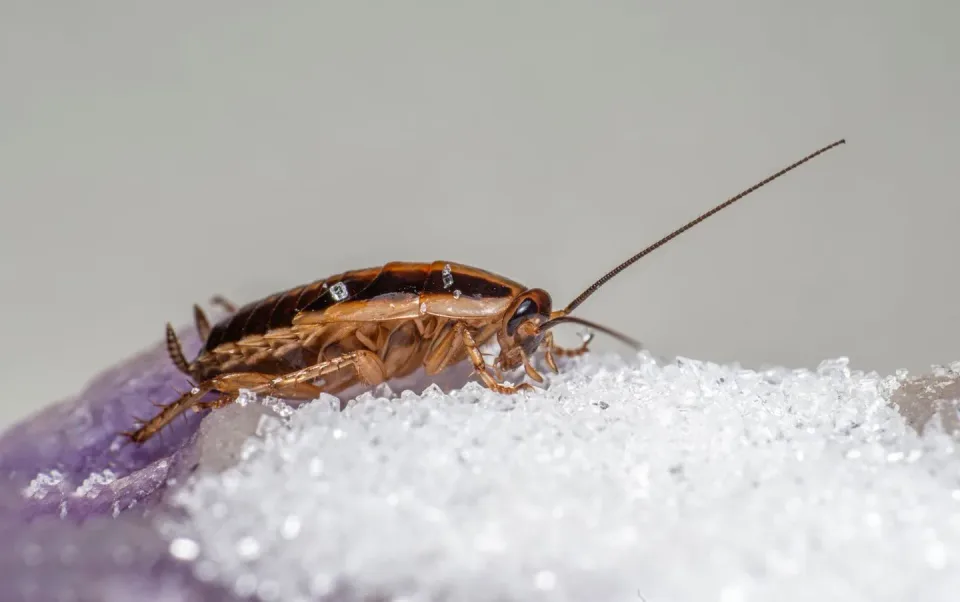
If cockroaches appear after dark, check warm, damp spaces near food and water first. Look under the sink, behind the refrigerator, and around kitchen cabinet hinges; those spots can reveal droppings, egg cases, or repeated travel paths. High indoor humidity can encourage cockroaches, so a persistently damp cabinet or poorly ventilated room deserves attention, not just a quick spray.
Near PeoplesBank Arena, Hartford homes and businesses still need the same careful room-by-room inspection; a familiar local landmark does not explain activity inside a particular property. At the Wadsworth Atheneum Museum of Art, collections are protected through attention to their surroundings; at home, start by reducing clutter and checking moisture before choosing a treatment. Connecticut Pest Solutions identifies activity and explains the next step.
Which kitchen hiding places should you check first?
Start with the places a cockroach can reach without crossing an open floor: beneath the sink, behind the refrigerator, beside the stove, and inside the gap where a counter meets a wall. Look for pepper-like droppings, shed skins, egg cases, or a faint musty odor.
Use a flashlight and check after dark, but do not pull out heavy appliances if doing so risks damaging a gas line or water connection. A single sighting is useful evidence, not a full diagnosis.
We inspect edges and protected harborage rather than treating the middle of a clean countertop, because insects can remain tucked into narrow cracks during daylight.
The Connecticut State Capitol gives Hartford a recognizable civic center, but household cockroach checks begin with the building itself: plumbing penetrations, cabinet backs, and shared utility spaces. Around Bushnell Park, older and newer properties alike benefit from a systematic inspection instead of guessing from one sighting.
Our field rule is simple: note the room, time, and exact surface where each insect appears. That record helps distinguish a one-off visitor from repeated activity.
What signs mean the problem may be established?
Repeated sightings in the same area, small droppings near a food source, or insects appearing in more than one room suggest the activity may extend beyond a single entry point. Check behind stored items and along cabinet edges; the step people skip is inspecting the hinge-side and underside of cupboards, where clutter can hide evidence.
Avoid scattering loose products across surfaces before identifying the insect and likely harborage. A misplaced treatment can leave the source untouched while complicating a later inspection.
Hartford’s Mark Twain House is a reminder that older buildings reward close attention to their details; in a home, that means checking joints and service openings rather than assuming a visible crack is the only route. Heating season can reveal gaps used by mice, so if you also hear scratching above a bedroom ceiling, record that separately rather than assuming every sign has the same cause. Our mouse-droppings pantry guide covers how to document a different kind of household evidence.
Can you handle a small sighting yourself?
If you see one insect, clean food residue, dry standing water, and place a glue board near the wall to monitor whether activity repeats. Do not spray blindly into appliances, electrical openings, or food-storage areas.
Monitoring gives you a location and pattern; it does not establish that the infestation is gone. When traps catch multiple insects, sightings continue, or activity appears in several rooms, arrange a professional inspection instead of cycling through store products.
At the Connecticut State Capitol, visitors expect a managed public building; a home needs its own measured response. We use pest identification and inspection to locate activity, then explain whether targeted crack-and-crevice treatment or other steps fit the evidence.
For more about how we work, see Connecticut Pest Solutions. Connecticut Pest Solutions has served the state for more than eight years, and our crew focuses on clear recommendations and protecting the property during treatment.
When does professional treatment make sense?
Call for an inspection when nighttime sightings recur, when evidence turns up in multiple rooms, or when a business needs a documented plan for kitchens and storage areas. Commercial food spaces need particular care: treatment choices must account for work surfaces, stored products, and the hours people occupy the building.
We identify the pest, inspect likely harborage, and explain the proposed treatment before work begins. If the evidence points to cockroaches, Cockroach Extermination is the relevant service not a broad application chosen without inspection.
A useful treatment plan also includes practical prevention. Seal food, clean crumbs from appliance edges, repair moisture sources, and reduce cardboard or other clutter near suspected hiding places.
Do not treat an empty room and leave the sink cabinet damp. Connecticut Pest Solutions provides a service report with clear next steps, so you know what was found and what to watch for afterward.
Which Hartford Cockroach Treatment Fits the Evidence?
Choose based on whether you have an isolated sighting, recurring activity, or a need to monitor a larger property. Each option has a different job.
| Option | Best for | Key detail |
|---|---|---|
| One-time pest treatment | A limited, confirmed issue | Focuses on current evidence; monitoring can show whether activity returns. |
| Recurring general pest control | Ongoing prevention and inspection | Follow-up can track changing pest pressure over time. |
| Interior pest treatment | Active indoor signs | Targets identified harborage rather than open surfaces. |
| Exterior perimeter treatment | Prevention around exterior areas | Useful as a preventive measure, not a substitute for addressing indoor activity. |
| Integrated Pest Management | Inspection-led decisions | Combines identification, monitoring, sanitation, and targeted treatment. |
Weather can affect access. Snow and ice may make exterior bait stations difficult to reach, so ask how the plan accounts for that limitation. Kent Falls State Park is far from a Hartford kitchen, but it provides a useful reminder that outdoor conditions change; the relevant decision here is whether the service can safely inspect the property as planned.
How to Prepare for a Hartford Cockroach Inspection
A useful inspection starts with a clear record of where and when you see activity. Before scheduling, note whether the kitchen, bathroom, or storage area is involved; the Essex Steam Train is a local point of reference, but in your home the important route is access to the rooms being checked.
Leaf litter in autumn can shelter ticks and rodents outdoors, so keep outdoor observations separate from indoor cockroach evidence. Near the coast, salt air can corrode exterior equipment, making a visual check of outdoor components worthwhile.
-
Record sightings: Write down the room, date, and time, and photograph evidence if you can do so safely.
-
Prepare access: Clear space beneath sinks and provide access to utility areas the technician needs to inspect.
-
Secure pets: Keep pets away from the work area before the technician arrives.
-
Share concerns: Point out damp spots, food storage, and any locations where you found droppings or egg cases.
-
Follow instructions: Keep children away from treatment areas and follow the technician’s product-label reentry directions.
Get a Clear Plan for Nighttime Cockroach Activity
A cockroach seen after dark is a reason to inspect, not to spray every room. Check behind kitchen appliances, under sinks, and along cabinet edges; record repeat sightings and address moisture or food residue you find.
Freeze-thaw cycles can open cracks around foundations and masonry, so exterior gaps may also deserve a look during a property inspection. Heavy rainfall can flood basements and disturb rodent harborage, which is another reason to describe any separate signs rather than treating every pest clue as one problem.
Connecticut Pest Solutions can identify the activity, explain a targeted plan, and provide practical prevention steps. For help with repeated cockroach sightings in Hartford, contact our team about Cockroach Extermination.