Is Heating-Season Ceiling Scratching Mice or Rats?
Scratching over a bedroom ceiling can come from mice or rats, but sound alone cannot confirm which one. Notice whether it happens at night, where it seems loudest, and whether you find droppings or gnaw marks nearby. During heating season, gaps that mice use may become more apparent as homes are closed up and warmed.
Do not open the ceiling or place loose poison in an inaccessible space. A small mistake can leave an animal trapped where it cannot be reached.
If you tell us, “I need somebody to come out and kill them,” we’ll first inspect for activity and entry points so the plan addresses the source, not just the noise. A call about ants may concern a different pest, so describe the exact signs you see.
What clues help distinguish mice from rats?
Scratching sounds above a bedroom ceiling do not identify the animal by themselves. Listen for the pattern, then check accessible areas for droppings, gnawing, nesting material, or rub marks; these signs give an inspector more to work with than sound alone.
In older Connecticut houses, a small opening near a pipe or roofline can connect a wall void with the attic. Our inspection looks for a trail of evidence rather than relying on a guess from one night’s noise.
If the sound is near a ceiling fixture, do not reach into the cavity or disturb wiring. Leave concealed spaces closed until the likely route and safe access are understood.
Could leaf litter be part of the problem?
In autumn, leaf litter can shelter rodents outdoors, giving them cover as they move around a home. Clear leaves and other debris from close to the foundation, especially where they collect beside an exterior wall.
This does not prove that a rodent has entered, but it reduces protected places near the structure and helps make potential access points easier to see. On properties near the Merritt Parkway, seasonal yard cleanup still matters: check the building itself rather than assuming roadside greenery is the cause.
We look at the route from outside toward the ceiling space, including any openings and signs of activity, before recommending control.
Does coastal air change an inspection plan?
It can affect the condition of exterior equipment. Coastal salt air can accelerate corrosion on outdoor pest-control equipment, so a homeowner should not assume an old or damaged station is still secure or working as intended.
During an inspection, we consider the condition and placement of equipment along with signs inside the home. A visit to the Lockwood-Mathews Mansion Museum in Norwalk offers a reminder of the region’s varied older building materials; at home, the practical question is whether gaps or deteriorated surfaces connect to a concealed ceiling space.
Tell the technician about any exterior station you have noticed, and do not move or open it yourself.
When is DIY reasonable, and when should you call?
A homeowner can note when the noise occurs, photograph accessible droppings, and clear stored items away from an attic hatch. Stop there if activity is inside an enclosed ceiling, if you cannot safely reach the suspected area, or if the signs keep appearing.
Traps placed without identifying the route may miss the animal and leave the entry point open. The Essex Steam Train is a well-known local landmark, but at home, the useful evidence is much closer: an accessible gap, fresh debris, or a repeated travel path.
We use inspection findings to distinguish likely mouse or rat activity and explain the next steps. For more signs to document, read our guide to mouse droppings in pantry cabinets.
Which Option Fits Scratching Above the Ceiling?
A ceiling noise with no confirmed activity calls for a different response than a verified rodent problem. Compare the purpose of each option before choosing; a treatment aimed at the wrong location can leave the animal’s route untouched. In Hartford, a property near the Connecticut State Capitol still needs a plan based on its own evidence, not its landmark or neighborhood.
| Option | Best for | Key detail |
|---|---|---|
| Inspection and monitoring | Unconfirmed ceiling sounds | A glue board monitor is about 4 by 6 inches; placement should help assess activity. |
| Interior treatment | Active signs inside the home | Suited to an identified indoor issue, not prevention alone. |
| Exterior perimeter treatment | Reducing exterior pest pressure | Preventive approach; snow and ice may block access to exterior bait stations. |
| Integrated Pest Management | Identifying and addressing causes | Combines inspection, monitoring, and exclusion where appropriate. |
Cove Island Park in Stamford is another local reference point, but coastal and inland conditions differ: coastal Connecticut often has milder winters than inland areas. Ask how the recommended option addresses the signs you found.
How to Prepare for a Ceiling-Scratching Inspection
Start by noting when the sound occurs and which room or ceiling area seems loudest. Spring rain can drive ants and rodents indoors, so mention any activity you noticed after wet weather rather than treating a new sound as proof of one species. In a home near New Haven Union Station, as elsewhere in Connecticut, access to the attic and basement can help connect indoor signs to possible routes.
-
Record the pattern: Write down the time, duration, and location of each scratching episode.
-
Share sightings: Tell the technician where you found droppings or gnawing, without disturbing them.
-
Clear access: Make the attic hatch and basement entry reachable for inspection.
-
Secure the area: Keep children and pets away from any suspected activity or equipment.
-
Ask about findings: Request an explanation of the identified pest, evidence, and proposed next steps.
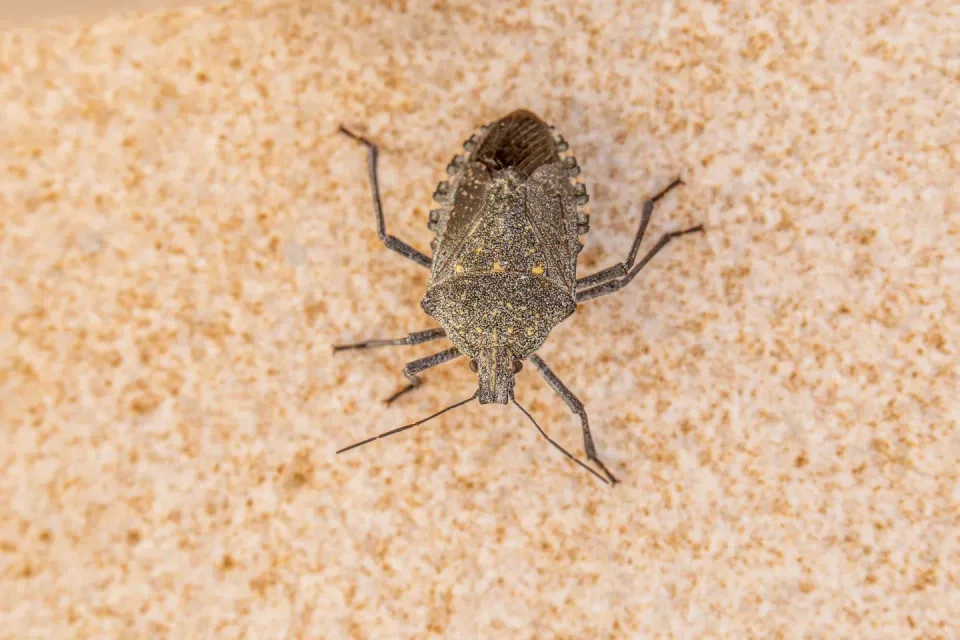
Cool autumn weather can push stink bugs indoors, so a seasonal indoor sighting is not automatically evidence of a rodent. At PeoplesBank Arena in Hartford, visitors may notice seasonal changes around the city; at home, record what you actually observe and let inspection guide the response.
Should You Call for Help with Ceiling Scratching?
If scratching keeps returning above the bedroom, or you find fresh signs nearby, arrange an inspection instead of opening the ceiling. Inland locations can experience colder overnight temperatures, which can make concealed access routes worth checking as conditions change.
Homes around the Mark Twain House in Hartford, like other Connecticut properties, vary in age and construction, so a useful plan starts with the building itself. The Maritime Aquarium in Norwalk is another familiar regional landmark, but your technician needs the location of the sound and any evidence inside your home.
Tell us what you have heard and where; we’ll inspect and explain the findings. Contact Connecticut Pest Solutions to discuss Mouse Control for your Connecticut home.