What Do Termite Mud Tubes Mean for a Connecticut Foundation?
Mud tubes along a foundation can signal termite activity, but they do not confirm the extent of damage. Leave an intact tube in place and arrange an inspection so the evidence can be assessed; scraping it away may remove a useful clue without addressing activity behind it. At the Connecticut State Capitol in Hartford, buildings sit amid the same Connecticut conditions homeowners face: a visible sign calls for a careful check, not a guess.
We hear from property owners who want an estimate for bed bugs in a rental building, and from people seeking a quote for heat treatment; those calls illustrate why an inspection should clarify the actual problem and scope before anyone promises a fix. For mud tubes, Connecticut Pest Solutions checks the location and surrounding foundation, then explains what the evidence supports.
What does a mud tube on concrete suggest?
A narrow, soil-like tube on a foundation wall may be a covered route used by termites between the ground and a food source. It is a warning sign, not a stand-alone measure of how much wood may be affected.
Do not assume that a tube on concrete means the concrete itself is being eaten; the concern is concealed termite movement and nearby wood that may be vulnerable. Photograph the tube and note whether it is intact, broken, or near a sill plate, porch, or crawl-space opening.
The same observations help an inspector connect the clue to the structure rather than making a treatment decision from appearance alone. Our inspection records where evidence occurs and checks accessible areas around it.
Should you break or remove a tube?
Usually, leave it undisturbed until it has been documented. Breaking a small section can sometimes be part of a deliberate inspection, but random scraping can make the evidence harder to interpret and will not eliminate a colony or protect the structure.
If a tube has already been broken, take a clear photograph and note when you disturbed it; do not cover the area with fresh material or apply a household pesticide as a substitute for identification. Connecticut homes near Connecticut’s Beardsley Zoo in Bridgeport and elsewhere can have different site conditions, so an inspection needs to consider the actual foundation and accessible wood, not just a snapshot of the tube.
How do Connecticut seasons affect inspection?
Coastal Connecticut often has milder winters than inland areas, but a mild season does not establish whether termites are active in a particular building. Seasonal conditions are context, not a diagnosis.
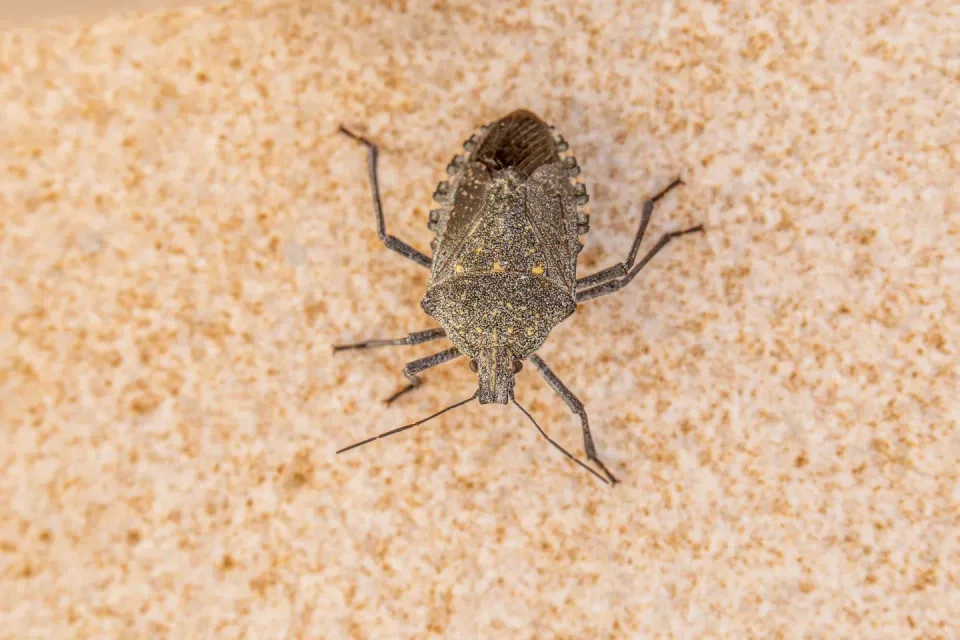
Cool autumn weather can push stink bugs indoors; that separate seasonal nuisance is a reminder that an insect seen indoors should be identified before treatment is chosen. At homes near Bradley International Airport, as throughout the state, keep notes about where and when you find signs and share them during inspection.
We focus on the termite evidence itself, inspect accessible foundation edges, and explain what we can confirm rather than treating every seasonal insect as a termite.
When should you call a termite professional?
Call when a mud tube is present, returns after disturbance, or appears close to wood framing. A homeowner can photograph it and look from a safe, accessible position, but should not pry apart finished walls or make a broad pesticide application based only on a tube.
That is the practical DIY boundary: document visible evidence, then have a trained inspector assess the structure and recommend next steps. We have served Connecticut for more than eight years, and our team explains the inspection findings and treatment plan before work begins.
If a property is near Hammonasset Beach State Park or elsewhere in Connecticut, the decision should still rest on site-specific evidence not the address alone. Read our guide to termite mud tubes along Connecticut foundations for the signs to record, or ask us to inspect the foundation.
Which Foundation Response Fits the Evidence?
A tube on a wall calls for identifying the evidence before choosing a response. Freeze-thaw cycles can open cracks around foundations and masonry, so note nearby gaps during the inspection rather than assuming every crack is termite damage.
Heavy rain can flood basements and disturb rodent harborage, another reason to distinguish water and pest clues carefully. After hurricanes or tropical remnants cause flooding or storm damage, report changed conditions along with the tube.
Near the Mark Twain House in Hartford, as anywhere in Connecticut, the building not the landmark determines the appropriate response. Choose based on what inspection confirms.
| Option | Best for | Key detail |
|---|---|---|
| One-time treatment | A confirmed, isolated issue | Scope follows inspection findings |
| Recurring service | Continued monitoring needs | Revisit frequency follows observed activity |
| Interior treatment | Active evidence inside | Target the identified area |
| Exterior perimeter treatment | Preventive work | Addresses exterior exposure |
| Integrated Pest Management | Evidence-led decisions | Combines inspection, monitoring, and targeted action |
How to Prepare for a Foundation Inspection
-
Record the location: Photograph each tube and note whether it is on an interior or exterior foundation wall; a clear record helps the inspector compare evidence.
-
Keep access clear: Provide access to the basement and foundation edges, and mention any area that cannot be reached safely.
-
Share the building history: Tell the technician about prior sightings, repairs, or water entry, so the inspection considers relevant conditions rather than one mark alone.
-
Ask what was confirmed: Request a plain explanation of the evidence, proposed treatment, and any follow-up the inspection indicates.
-
Follow the service instructions: If treatment is recommended, follow the technician’s directions and product-label reentry instructions; keep children away from treated areas.
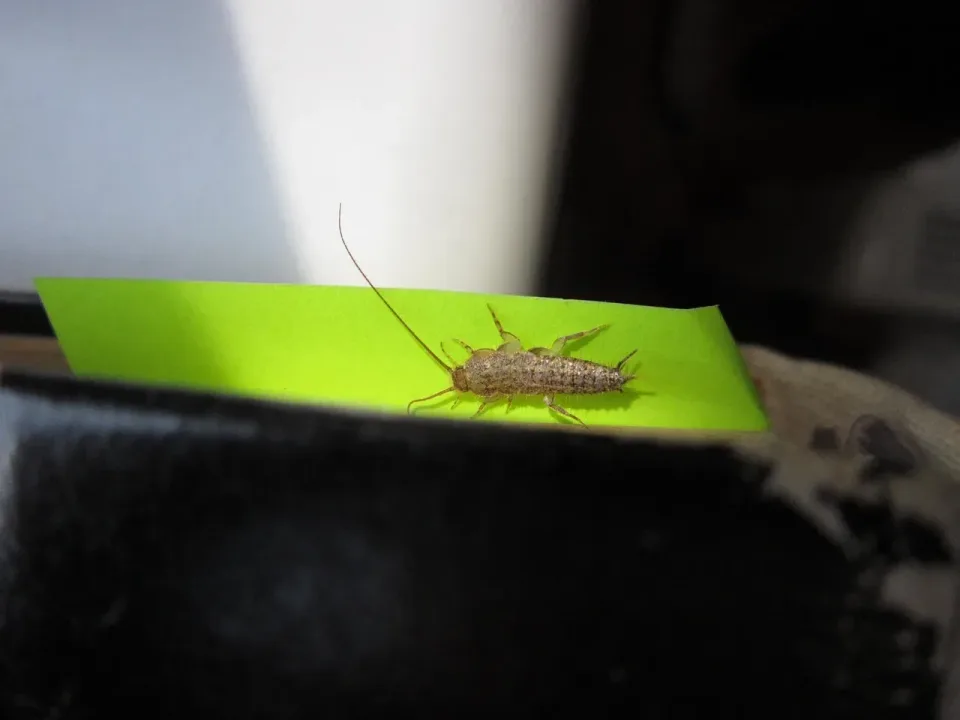
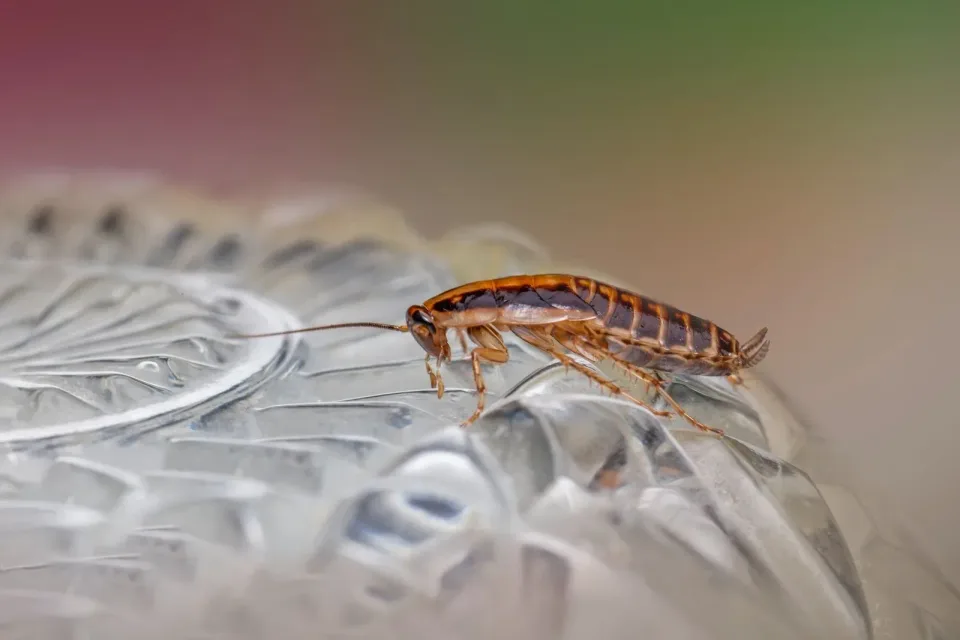
Near Bushnell Park in Hartford, scheduling still needs to account for practical site access. Cold winters can leave pipes frozen and reduce access for outdoor treatment, so discuss access limits when arranging a visit. In Downtown Stamford, as elsewhere, high indoor humidity can favor silverfish and cockroaches; share moisture concerns, but keep them distinct from proof of termite activity.
When Should You Call About Foundation Mud Tubes?
If you find a mud tube on a foundation wall, photograph it and arrange an inspection rather than relying on a spray or a quick scrape. The practical next step is to identify what the tube means at your specific property. In Connecticut, coastal salt air can corrode exterior equipment, so during a visit ask whether any outdoor monitoring equipment needs attention.
Leaf litter in autumn can shelter ticks and rodents; clearing it can reduce those other harborage opportunities, but it does not confirm or resolve termite activity. Near the Essex Steam Train, as throughout the state, the same careful process applies: note the location, ask what was verified, and request a clear plan.
Contact Connecticut Pest Solutions to discuss an inspection and termite treatment.