What Can Siding Gaps Tell You About Wasps?
Wasps slipping behind siding may be using a small opening to reach a protected wall cavity, so watch where they enter rather than sealing the gap immediately. A steady flight path can point toward a nest, but it does not show its exact size or location.
Keep your distance. Heating season can expose gaps around a home as materials shift, though mice not wasps may also use those openings; note any signs before deciding what needs attention.
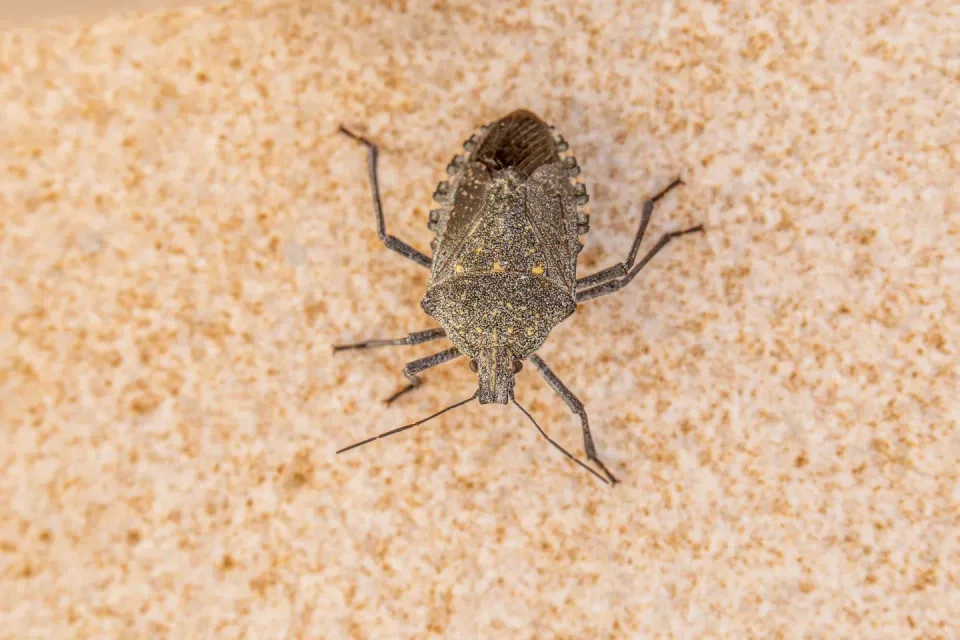
Around Bradley International Airport, homeowners can use the same careful approach: observe activity from a safe distance and record the siding area involved. Cool autumn weather can push stink bugs indoors too, so identify the insect before treating an entry point. We inspect activity and explain practical next steps.
Where are wasps entering behind the siding?
Wasps repeatedly disappearing at one seam, corner, or trim joint are giving you a useful clue. From a safe distance, note the exact spot, how often insects come and go, and whether the opening sits near a window, soffit, or utility penetration.
Do not pry siding loose to look inside. That can disturb a hidden nest and leave you with a close encounter before you know what is there.
Connecticut homes see varied exterior conditions, and the finish can conceal gaps that are not obvious from the ground. We look for a consistent flight path and inspect the surrounding siding and trim before deciding whether nest removal or another step is appropriate.
Heavy rainfall can flood basements and disturb rodent harborage; although that is a different pest issue, wet conditions are a reason to pay attention to changes around the building rather than assume every new opening has the same cause. PeoplesBank Arena and nearby Hartford homes have very different building settings, but the inspection principle is the same: trace activity to the point of entry without disturbing it.
What should you check without touching the nest?
Start with a visual check from a safe distance. Look for a visible gap, loose panel edge, damaged caulking, or a repeat flight path.
Record the location and time of activity, then check whether wasps are also entering near a nearby trim board or roof edge. Do not insert a tool, spray into the opening, or block the entrance while insects are active; those steps can make the route harder to assess and may drive wasps into another part of the structure.
Warm, humid summers support mosquito and tick activity, so outdoor inspections can involve more than one seasonal pest concern. That is a reason to keep the inspection focused on the siding and to use sensible precautions outside.
Our crew identifies the pest and checks the reported entry area before explaining treatment options. Around the Mystic Seaport Museum, as elsewhere in Connecticut, an older or detailed exterior deserves a careful inspection rather than guesswork that could damage siding or trim.
When is DIY less safe than calling a professional?
A homeowner can document activity from a distance, but should not attempt removal if wasps are entering an enclosed wall, returning repeatedly, or reacting to activity near the opening. Avoid ladders, pulling panels, and spraying into a concealed cavity. A visible gap alone does not confirm that a nest is present, and sealing an active entrance can leave the nest undisturbed while changing where insects emerge.
Hurricanes and tropical remnants can cause flooding and storm damage, which may leave exterior materials displaced or make an inspection unsafe. Wait until the area is safe to approach; then note any storm-related siding damage and where wasps are traveling. We use pest identification and inspection to determine whether treatment is warranted, explain what we find, and discuss ways to address the entry area without making unsupported assumptions about what is behind the wall.
What does a careful wasp inspection establish?
An inspection should connect observed insect activity with a likely entry point and a practical treatment plan. A technician can examine siding seams, nearby trim, and other visible openings, then explain whether nest removal is appropriate and what conditions could affect access. This is more useful than applying a product to the outer surface without knowing whether wasps are actively using a hidden cavity.
At the Wadsworth Atheneum Museum of Art, building details differ from those on a typical house, but the same basic lesson applies: inspect the specific structure before choosing a method. We document relevant observations and explain what the homeowner can monitor afterward. If activity continues or the entry location changes, report that information so the next decision is based on new evidence rather than repeated guesswork.
Which Option Fits Wasps Behind Siding?
The right approach depends on whether you have a one-time nest, recurring activity, or a confirmed opening that needs attention.
| Option | Best for | Key detail |
|---|---|---|
| One-time pest treatment | A confirmed, isolated wasp issue | Focuses on the current activity; it does not automatically include ongoing monitoring. |
| Exterior perimeter treatment | Preventive exterior coverage | A preventive approach, not a substitute for addressing an active nest inside siding. |
| Interior pest treatment | Confirmed activity inside the structure | Interior treatment is intended for active infestations and requires a careful assessment. |
| Integrated Pest Management | Inspection-led decisions | Combines identification, monitoring, and appropriate control rather than treating by guess. |
| Preventive pest service | Continued attention to pest conditions | May suit recurring concerns; discuss the visit frequency and coverage in advance. |
A home near the Connecticut State Capitol may need a different access plan than a coastal property near Hammonasset Beach State Park; note building access when scheduling. For a property near New Haven Union Station, share the exact siding location and observed activity so inspection can focus on the reported concern.
How Should You Prepare for a Siding Inspection?
If wasps keep entering through one siding seam, start by observing from a safe distance and keep people and pets away from the activity. Do not seal the opening or disturb the nest before the inspection.
-
Record the location: Note the siding panel, trim, or corner where wasps disappear, along with the time you see activity.
-
Share what you observed: Tell the technician whether activity is steady, occasional, or appears to move to another opening.
-
Secure pets: Keep pets indoors or away from the work area before the technician arrives.
-
Provide access: Clear access to the exterior area and mention any obstacles that could affect inspection.
-
Follow instructions: Keep children away from treatment areas and follow the technician’s directions before re-entry.
-
Check nearby leaf litter: Leaf litter in autumn can shelter ticks and rodents; keeping it from collecting by the foundation can make exterior checks easier, even though it does not establish a wasp nest.
A home near Bushnell Park or the Essex Steam Train still needs the same clear activity notes. Mention any siding damage and ask what follow-up observations matter.
Should You Call for Help With Siding Wasps?
A consistent flight path into siding deserves attention, but the safest first move is observation not pulling panels, spraying blindly, or sealing an active opening. Freeze-thaw cycles open cracks around foundations and masonry, so keep an eye on exterior changes and report new gaps during an inspection.
At the Mark Twain House in Hartford, building details illustrate why exterior materials and joints deserve careful attention; homeowners should likewise avoid assumptions based on a gap alone. Coastal Connecticut often has milder winters than inland areas, but seasonal differences do not identify a nest.
If salt air near Cove Island Park has corroded exterior equipment or fasteners, mention that condition when arranging an assessment. For a clear inspection and next steps, contact Connecticut Pest Solutions about Wasp Nest Removal or call (877) 729-2528.